Best outdoor remodeling materials for Tennessee weather that handle heat, humidity, and storms while boosting curb appeal and long-term value.
The best outdoor remodeling materials for Tennessee weather are moisture-resistant, heat-tolerant, and low-maintenance. Options like composite decking, fiber cement siding, treated wood, and metal roofing stand up to humidity, storms, and seasonal temperature swings while protecting long-term home value.
Best Outdoor Remodeling Materials For Tennessee Weather
Ever notice how outdoor upgrades that look great in other states fail fast in Tennessee? 🤔 Heat, humidity, storms, and surprise freezes demand smarter material choices. Picking the right outdoor remodeling materials isn’t about trends—it’s about survival, durability, and value.
The best materials for Tennessee weather resist moisture, handle temperature swings, and require minimal upkeep. When chosen right, they last longer, look better, and save money over time. Let’s break down exactly what works—and what doesn’t.
Understanding Tennessee’s Climate Challenges 🌦️
Tennessee weather can be unpredictable. Summers bring high humidity and intense heat. Winters add freezing temperatures and ice.
Spring and fall often mean heavy rain and storms. Materials must handle expansion, contraction, and moisture exposure without cracking or rotting.
That’s why outdoor remodeling here demands tougher, smarter choices than dry or mild climates.
Why Material Selection Matters More Outdoors 🧱
Outdoor materials face daily abuse. Sunlight, rain, wind, and temperature shifts attack surfaces nonstop.
Low-quality materials fade, warp, or fail early. That leads to frequent repairs and higher costs.
Choosing climate-appropriate materials protects your investment and keeps your home looking sharp year-round.
Composite Decking: Built For Heat And Humidity 🌞
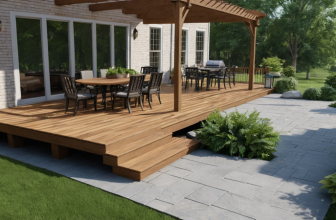
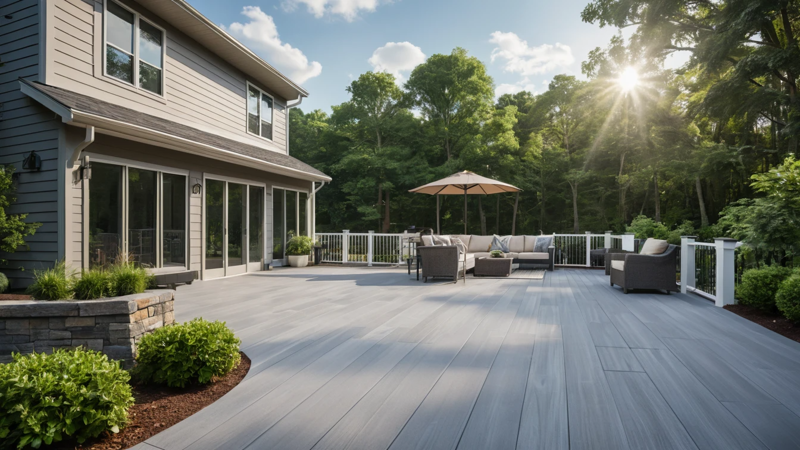
Composite decking is one of the best choices for Tennessee homes. It resists moisture, insects, and warping.
Unlike wood, it won’t splinter or rot. It also stays stable during temperature swings.
Most options require only simple cleaning. That makes composite decking perfect for busy homeowners who want durability without constant maintenance.
Pressure-Treated Wood: A Budget-Friendly Option 🌲
Pressure-treated wood remains popular across Tennessee. It’s affordable and widely available.
The treatment helps resist insects and decay. However, it still needs sealing and maintenance.
When properly cared for, it performs well in decks, pergolas, and fencing. Skipping maintenance shortens its lifespan fast.
Fiber Cement Siding: Tough And Weather-Smart 🏠
Fiber cement siding handles Tennessee’s humidity extremely well. It resists moisture, pests, and fire.
It doesn’t warp like vinyl or rot like wood. That makes it ideal for long-term outdoor use.
It also holds paint longer. That means fewer repainting cycles and better curb appeal over time.
Vinyl Siding: Low Maintenance With Limits ⚠️
Vinyl siding appeals due to low cost and easy upkeep. It doesn’t rot or need painting.
However, extreme heat can cause warping. Strong storms may crack panels.
For shaded areas or moderate exposure, vinyl works well. High-sun or storm-prone areas need stronger alternatives.
Natural Stone And Concrete For Outdoor Surfaces 🪨
Stone and concrete thrive in Tennessee weather. They handle rain, heat, and freezing temperatures.
These materials resist moisture and don’t warp. They’re ideal for patios, walkways, and retaining walls.
Proper sealing improves longevity. When installed correctly, they last decades with minimal upkeep.
Material Performance Comparison
| Material | Moisture Resistance | Maintenance Level | Lifespan |
| Composite Decking | Very High | Low | 25–30 Years |
| Treated Wood | Medium | High | 10–15 Years |
| Fiber Cement | High | Low | 30+ Years |
Metal Roofing For Outdoor Structures ☀️
Metal roofing works exceptionally well in Tennessee. It sheds rain fast and resists wind damage.
It reflects heat, helping outdoor spaces stay cooler. That’s a big win during humid summers.
Metal also resists mold and mildew. That keeps structures cleaner with less effort.
Outdoor Tile That Handles Moisture Well 🧩
Porcelain tile is a smart outdoor option. It resists water absorption and temperature changes.
It doesn’t crack easily and holds color well. That makes it great for patios and porches.
Avoid indoor tiles outdoors. They aren’t designed for weather exposure and fail quickly.
Aluminum And Vinyl Railings For Longevity 🔩
Aluminum railings resist rust and corrosion. They stay strong during storms and humid seasons.
Vinyl railings also resist moisture. They require little maintenance beyond cleaning.
Both options outperform traditional wood railings in Tennessee’s climate.
Outdoor Paint And Sealants Matter 🎨
Even the best materials need protection. Quality outdoor paint and sealants extend lifespan.
Look for products labeled weather-resistant or mildew-resistant. These handle humidity better.
Regular sealing prevents water intrusion. That simple step avoids costly damage later.
Best Materials By Outdoor Project Type
| Project Area | Best Material Choices |
| Decks | Composite, Treated Wood |
| Siding | Fiber Cement, Vinyl |
| Patios | Concrete, Stone, Porcelain Tile |
| Roofing | Metal |
Low-Maintenance Materials Save Money Long-Term 💰
Maintenance costs add up fast. Staining, sealing, and repairs drain budgets.
Low-maintenance materials reduce labor and product costs. They also free up time.
Spending more upfront often saves thousands over the years.
Eco-Friendly Outdoor Remodeling Options 🌱
Many modern materials are eco-conscious. Composite decking often uses recycled materials.
Fiber cement lasts longer, reducing waste. Metal roofing is fully recyclable.
Choosing sustainable materials benefits both your home and the environment.
Materials That Increase Home Value 📈
Buyers love durable outdoor upgrades. Weather-resistant materials signal quality.
Homes with composite decks and fiber cement siding often appraise higher.
Strong curb appeal paired with longevity boosts resale confidence.
Mistakes Homeowners Make When Choosing Materials
| Common Mistake | Why It Fails |
| Choosing For Looks Only | Ignores Climate Stress |
| Skipping Sealants | Leads To Moisture Damage |
| Using Indoor Materials | Not Built For Weather |
How To Choose The Right Materials For Your Home 🏡
Start by evaluating exposure. Is the area sunny, shaded, or storm-prone?
Match materials to usage. High-traffic areas need stronger surfaces.
Balance budget with longevity. Cheap materials cost more when replaced early.
Working With Professionals Makes A Difference 🛠️
Experienced remodelers understand Tennessee conditions. They recommend proven materials.
Proper installation matters as much as material choice. Even great materials fail if installed poorly.
Professional insight protects your investment and ensures lasting results.
Conclusion: Build Smarter For Tennessee Weather 🌤️
Tennessee weather demands tough, reliable outdoor materials. Composite decking, fiber cement siding, metal roofing, and stone surfaces perform best over time.
Choosing climate-smart materials reduces maintenance, increases durability, and boosts home value. The right choices today prevent headaches tomorrow. Build once—and build it right.
FAQs
What Is The Best Decking For Tennessee Weather?
Composite decking performs best in heat and humidity. It resists moisture and insects. It also requires very little maintenance.
Which Siding Lasts Longest In Tennessee?
Fiber cement siding lasts over 30 years. It resists moisture, pests, and temperature changes. It holds paint extremely well.
Is Treated Wood Good For Outdoor Projects?
Yes, but only with regular maintenance. Sealing is required to prevent rot. Skipping upkeep shortens its lifespan.
What Outdoor Materials Need The Least Maintenance?
Composite decking, metal roofing, and fiber cement siding need minimal upkeep. They resist weather damage naturally.
Do Weather-Resistant Materials Increase Home Value?
Yes, they signal quality and durability. Buyers prefer low-maintenance outdoor upgrades. This often improves resale value.