
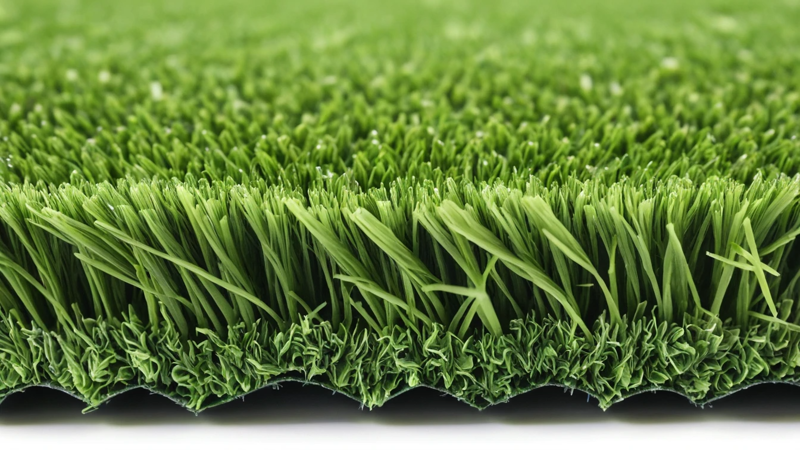
The Growing Appeal of Artificial Lawns
Artificial grass installation has become a game-changer for homeowners tired of constant mowing, watering, and patchy lawns. It’s no longer reserved for sports fields or luxury estates—today, it’s a practical choice for anyone seeking beauty without the upkeep. The rise of synthetic turf reflects a broader shift toward sustainable living and smarter home improvements.
A few years ago, I helped a friend replace his dying lawn with synthetic turf. He was skeptical at first, assuming it would look fake or feel odd underfoot. But once the project was done, his yard looked like something out of a landscaping magazine—lush, perfectly even, and surprisingly soft. What truly impressed him was that it stayed that way through every season, rain or shine.
Artificial grass installation is not just about convenience—it’s about creating an outdoor space that looks fresh year-round while reducing environmental impact.
Why Homeowners Are Making the Switch
Natural lawns demand constant care: mowing every weekend, fertilizing throughout the year, and paying for endless irrigation. Synthetic turf eliminates these recurring chores. Once installed, you can forget about watering schedules and noisy mowers. This not only saves time but also significantly reduces your water bill.
For families living in drought-prone areas, that’s a big deal. Artificial turf doesn’t need a drop of water to stay green. It’s a practical and eco-conscious solution that balances aesthetics with environmental responsibility. Plus, it provides a consistent surface for kids and pets to play on, without mud or bald spots forming after heavy rain.
When I switched to synthetic grass in my own backyard, I was amazed at how much time I regained each weekend. Instead of dragging out the hose or pushing a mower, I spent that time enjoying the space with friends over barbecues and evening chats. The transformation wasn’t just physical—it changed how I used my outdoor space.
The Installation Process: Step by Step
Installing artificial turf is more than simply rolling out green carpet. It’s a carefully planned process that ensures durability, drainage, and a natural appearance.
First, the existing grass and topsoil are removed to create a stable foundation. Then, a compacted base of crushed rock or decomposed granite is added to aid water drainage. This step is crucial—it prevents pooling after rain and keeps the surface level over time.
A weed barrier fabric follows, ensuring nothing unwanted pokes through the turf later. The synthetic grass is then rolled out, trimmed to fit, and secured with nails or adhesive. Finally, an infill material—often sand or rubber granules—is spread across the surface to weigh it down and keep the blades standing upright.
The entire process typically takes a few days, depending on the yard’s size. When done right, the result looks so realistic that most people can’t tell it’s artificial.
Real-Life Benefits Beyond Looks
The visual appeal is undeniable, but the advantages go deeper than that. Artificial turf remains usable even after heavy rainfall, unlike muddy natural lawns. It also resists wear and tear, which is perfect for households with energetic pets or kids.
Allergies are another hidden benefit. Without pollen-producing grass, seasonal allergies often lessen dramatically. Many homeowners notice fewer sneezes and watery eyes once they make the switch.
A neighbor of mine has two large dogs who used to destroy his lawn within weeks. After installing synthetic turf, he finally stopped worrying about patchy spots and muddy paw prints indoors. He even mentioned how easy it was to clean—just a quick rinse and brush, and the yard looked brand new.
The Environmental Perspective
At first glance, synthetic turf might not seem like the eco-friendly choice, but it actually offers substantial sustainability perks. It drastically cuts down on water consumption, reduces chemical runoff from fertilizers, and eliminates fuel emissions from mowers. Over its lifespan—often 15 to 20 years—these benefits add up.
While it’s true that synthetic grass is made from plastic materials, modern manufacturers are now using recyclable components and non-toxic infills. This helps balance out the environmental equation. Plus, with fewer pesticides and herbicides entering the soil, artificial lawns contribute to healthier local ecosystems.
Customization and Design Possibilities
One of the most enjoyable parts of artificial turf installation is the creative freedom it allows. You can shape it to fit modern patios, narrow strips between pathways, or even rooftop gardens. Designers often mix synthetic turf with natural stone or pavers to create a stunning visual contrast.
Some homeowners even use it for indoor play areas, balconies, or home gyms. The versatility of synthetic grass opens up design possibilities that natural lawns simply can’t match. And because it comes in various shades, pile heights, and textures, you can achieve any look—from golf-green smoothness to meadow-like softness.
Long-Term Cost Efficiency
The initial installation cost can seem high, but when you compare it to years of maintenance expenses, the investment pays off quickly. No more buying fertilizers, hiring gardeners, or replacing dead patches of grass. Within a few years, the savings often outweigh the upfront price.
A client I worked with once calculated that her artificial lawn paid for itself in under four years, thanks to lower water bills and zero maintenance costs. Now, her only expense is occasionally brushing the turf to keep it looking fresh. That kind of long-term value makes it an easy decision for budget-conscious homeowners.
Keeping It Clean and Fresh
Maintenance is minimal but not nonexistent. To keep synthetic grass looking vibrant, it should be rinsed occasionally to remove dust or pet waste. A quick brush-up helps maintain the blades’ upright position, giving it that natural lawn texture. For most homeowners, this light upkeep takes minutes instead of hours.
Final Thoughts: A Smarter Way to Green Your Space
Artificial grass installation offers a smart, sustainable path to a flawless lawn. It saves water, reduces maintenance, and enhances your property’s aesthetic without the hassle of constant care. For families, busy professionals, or anyone tired of weekend yard work, it’s a modern solution that truly delivers.
Choosing synthetic turf isn’t just about convenience—it’s about lifestyle. It means spending more time enjoying your outdoor space and less time maintaining it. And as technology continues to improve, artificial lawns are only getting more realistic, more durable, and more eco-friendly.
In the end, the best part is stepping outside every morning to see a perfectly green yard that never needs mowing. That’s not just a home improvement—it’s peace of mind.
