Understanding Tough Jobs and Why Parts Matter
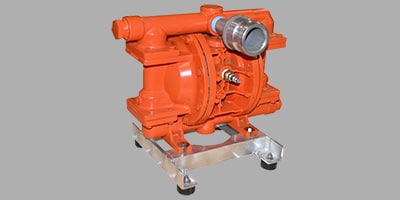
CH&E diaphragm pump parts set the tone for how well your pump survives demanding conditions. I learned this the hard way years ago on a construction cleanup site where the pump was pulling in mud thick enough to stand a shovel in. We relied on that pump every day, and the difference between smooth operation and a shutdown always came back to the parts inside it. That’s when I realized something simple: reliability isn’t an accident—it’s built piece by piece. If you want to explore real replacement options, here are the CH&E diaphragm pump parts that match the setups I’ve worked with in the field.
How Durability Plays Out in the Real World
I once worked on a site where groundwater seeped in faster than we could clear it, and the pump had to run nonstop for 36 hours. The only reason the pump didn’t quit halfway through was the diaphragm and check valves holding strong under pressure. A cheaper setup would have shredded itself on the grit alone. When you’re in the middle of a job that can’t slow down, durable components aren’t a luxury—they’re the backbone of the entire operation.
What Makes These Components Handle Abuse
Most pumping systems fail because internal parts start wearing unevenly. That leads to surging, clogging, or loss of suction right when you need consistent flow the most. With this style of pump setup, the materials and fitment usually outperform standard off-the-shelf pieces because they’re built for heavy sediment, abrasive sludge, and irregular flow rates. I’ve seen pumps take a beating on demolition washdowns and still push through because the internals were designed to handle real-world punishment, not just lab tests.
Smooth Operation Starts Inside the Pump
Good parts run smoother, which means less vibration and fewer surprise stalls. During a flood-response job a few years ago, the difference was night and day between two similar pumps. The one with upgraded internals pulled thick water without pulsing, while the other kept losing prime every ten minutes. That smooth performance saved us hours of downtime, and in emergency scenarios, hours matter.
Easier Maintenance Means More Uptime
When you’re in mud up to your ankles, nobody wants to spend extra time wrestling with pump repairs. What stood out to me after years of field work is how much easier certain parts are to swap out or inspect. A user-friendly build reduces the chance of field mistakes, especially when you’re making quick adjustments between tasks. The fewer tools you need to break down the pump, the more time you spend actually getting work done.
Fitment That Matches Real Job Demands
A pump only performs at its peak when the internal parts match the pressures, debris load, and suction demands of the site. I’ve watched crews struggle with pumps that weren’t properly calibrated for heavy solids, and everything became a headache—slow priming, weak discharge, overheating. With the right components, the pump adjusts better to sudden intake changes and maintains suction even when conditions shift quickly. That’s a huge difference in mining cleanouts, sewer bypass work, and stormwater mitigation setups.
Why Consistency Matters More Than Power
A pump doesn’t need to be the strongest to be the best—it needs to be consistently strong. Consistency is what keeps slurry moving, prevents clogs, and avoids unexpected stalls. Every time I tested pumps with different internal parts, the ones built for consistent performance always outlasted the “high-power” ones that broke under strain. It’s like engines: torque matters more than horsepower when you’re hauling a load uphill.
Real Jobs Don’t Happen in Clean Water
Some pumps are built assuming field conditions resemble clean lab water, but anyone who’s been on a job knows that’s rarely the case. Most of the time, the intake is full of silt, pebbles, sticks, and whatever debris the site throws at you. This is where strong internal components earn their keep by handling unpredictable debris without collapsing, tearing, or losing suction. If you’ve ever dug out a pump clogged by soft plastic or heavy grit, you know the difference between parts that survive and parts that surrender.
Why Reliability Saves More Than Money
A reliable pump reduces stress, delays, and emergency repair costs. I’ve seen crews waste full days because a single part failed, causing water to rise and shut the whole site down. Reliable components eliminate that risk and let you focus on the job rather than worrying about equipment failure. In tough environments, reliability isn’t just practical—it’s peace of mind.
When Better Parts Become a Long-Term Investment
Replacing worn components may feel like an extra step, but over the years I’ve realized it’s one of the smartest investments you can make. Well-made internals increase pump life, reduce rebuild frequency, and protect the engine by keeping the system balanced. Once I started prioritizing long-lasting parts, my repair cycle cut in half, and my equipment downtime almost disappeared. Good parts cost less in the long run because you’re not constantly buying replacements or calling in emergency service.
Built for Operators Who Work Under Pressure
Most of the people I’ve worked with—contractors, emergency crews, agriculture operators—don’t have time for trial-and-error fixes. They need equipment that performs without excuses. That’s why durable internal components matter so much: they respect the reality of the job. Whether you’re clearing trenches, fighting rising water, or moving heavy slurry, dependable internals remove one more worry from your day.
Bottom Line: Performance Backed by Real Experience
After years on job sites full of mud, debris, and unpredictable conditions, I’ve learned that solid performance always begins inside the pump. Power is important, but durability and consistency win every single time. That’s why high-quality components stand out—they actually support the way professionals work in the field. If your goal is to keep your pump running strong under pressure, choosing reliable internal parts is one of the smartest decisions you can make.