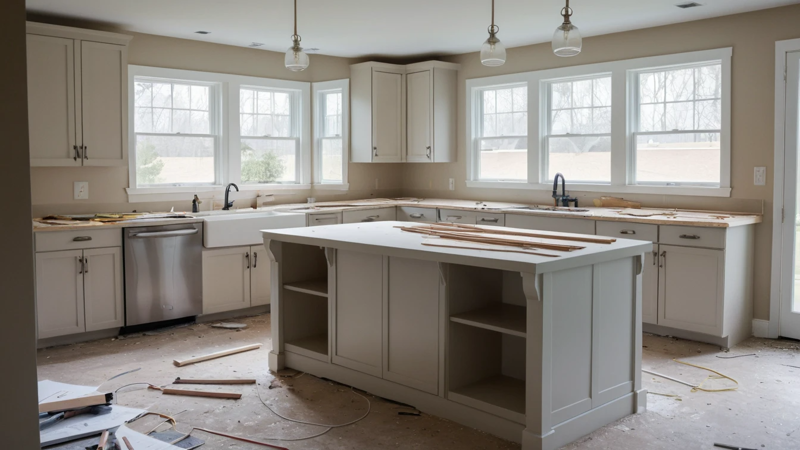
Do you need permits for kitchen remodeling in Tennessee? Learn when permits are required, what projects qualify, costs, timelines, and how to avoid fines or delays.
Do you need permits for kitchen remodeling in Tennessee? Yes, in many cases. Permits are usually required for electrical, plumbing, structural, and major layout changes. Rules vary by city and county, so checking local regulations before starting helps you avoid fines, delays, and costly rework.
Do You Need Permits For Kitchen Remodeling In Tennessee? 🏡
Ever hear someone say, “It’s just a kitchen update—no permits needed”? That belief can get homeowners into serious trouble. Kitchen remodeling often touches plumbing, wiring, and structure. These areas are heavily regulated for safety reasons.
In Tennessee, permits are commonly required for kitchen remodels. The exact rules depend on the scope of work and your local building department. Knowing the rules upfront saves time, money, and stress.
Let’s break it all down in plain English so you can remodel with confidence. 😊
The Short Answer Most Homeowners Need ✅
Yes, most kitchen remodels in Tennessee require permits. If your project involves electrical wiring, plumbing changes, structural updates, or gas lines, permits are almost always mandatory. Cosmetic changes alone usually do not require approval.
Local governments enforce these rules to protect homeowners. Permits ensure work meets safety codes and passes inspection. Skipping permits can lead to fines, forced demolition, or resale issues later.
When in doubt, always check first. It’s easier than fixing a violation later.
Why Tennessee Requires Kitchen Remodeling Permits 🛠️
Permits exist for one big reason—safety. Kitchens involve fire risks, water damage, and electrical hazards. One mistake can affect your entire home.
Permits also protect your investment. Inspected work helps maintain property value and insurance coverage. Without permits, claims may be denied after damage.
Finally, permits ensure contractors follow state and local building codes. That means fewer shortcuts and better long-term results. 👍
Projects That Usually Require A Permit 🔌
Many kitchen upgrades trigger permit requirements. If you’re changing how systems work, expect paperwork.
Common permit-required projects include:
- Electrical panel upgrades or new circuits
- Plumbing relocation or new water lines
- Gas line installation or movement
- Removing or altering walls
- Structural beam or load changes
If a professional trade is involved, permits are likely needed. Simple rule: systems = permits.
Kitchen Updates That Usually Don’t Need Permits 🎨
Not every remodel needs government approval. Some changes are considered purely cosmetic.
Permit-free projects often include:
- Painting walls or cabinets
- Replacing countertops without plumbing changes
- Installing new cabinets in the same layout
- Replacing appliances without moving hookups
These updates don’t affect safety systems. Still, always verify locally before starting.
How Local Tennessee Laws Change Permit Rules 📍
Tennessee does not have one universal permit rule. Cities and counties control enforcement. Nashville, Franklin, and Murfreesboro all have different requirements.
Some areas require permits for minor electrical work. Others are more relaxed. Rural counties may have fewer restrictions.
That’s why checking with your local building department matters. What’s allowed in one city may not be allowed in another.
Permit Requirements By Project Type
| Kitchen Project Type | Permit Typically Required |
| Electrical rewiring | Yes |
| Plumbing relocation | Yes |
| Cabinet replacement only | No |
| Appliance swap, same location | No |
| Wall removal | Yes |
Electrical Permits For Kitchen Remodeling ⚡
Electrical work is one of the most regulated parts of a kitchen remodel. Kitchens use high-load appliances and moisture-prone outlets.
Permits are required for:
- New circuits or outlets
- GFCI upgrades
- Lighting layout changes
- Panel upgrades
Inspections ensure wiring meets code. This reduces fire risk and improves long-term safety.
Plumbing Permits And Kitchen Renovations 🚰
Any time water lines move, permits usually follow. Plumbing mistakes can cause leaks, mold, and structural damage.
Plumbing permits are required for:
- Sink relocation
- Dishwasher line changes
- New drain or vent lines
- Gas pipe adjustments
Licensed plumbers typically handle permits. DIY plumbing without approval can be costly later.
Structural Changes And Load-Bearing Walls 🧱
Removing a wall is never a “small” change. Structural modifications affect the entire home.
Permits are required when:
- Removing load-bearing walls
- Installing support beams
- Expanding kitchen square footage
Engineered plans may be required. Inspections confirm the structure remains safe and stable.
Who Pulls The Permit—Homeowner Or Contractor?
| Situation | Who Pulls The Permit |
| Licensed contractor hired | Contractor |
| DIY homeowner project | Homeowner |
| Electrical or plumbing work | Licensed trade |
| Structural modifications | Contractor or engineer |
Permit Costs For Kitchen Remodeling In Tennessee 💵
Permit costs vary by location and project size. Most kitchen permits range from $50 to $500.
Fees depend on:
- Type of work
- Project value
- Number of inspections
- Local fee schedules
While permits add cost, they prevent expensive penalties later. Think of them as insurance for your remodel.
How Long Does The Permit Process Take? ⏳
Most kitchen permits are approved within 1 to 3 weeks. Larger projects may take longer.
Simple permits move faster. Structural or multi-trade permits take more time. Planning ahead avoids delays.
Applying early keeps your remodel on schedule. Waiting until the last minute causes stress.
What Happens During Kitchen Permit Inspections 🔍
Inspections verify work meets code. Inspectors check safety, functionality, and compliance.
You may have inspections at different stages:
- Rough-in inspection
- Final inspection
- Electrical or plumbing checks
Passing inspections means peace of mind. Failing inspections means corrections, not punishment.
What Happens If You Skip Permits ❌
Skipping permits can create serious problems. Fines are just the beginning.
Possible consequences include:
- Stop-work orders
- Forced demolition
- Trouble selling your home
- Insurance claim denial
Fixing unpermitted work costs far more than doing it right the first time.
Permit Vs No-Permit Remodeling Risks
| Scenario | Risk Level |
| Permitted remodel | Low |
| Cosmetic only, no permit | Low |
| Major work without permits | High |
| Uninspected electrical work | Very High |
Do Permits Affect Home Resale In Tennessee? 🏠
Yes, permits directly affect resale value. Home inspectors flag unpermitted work quickly.
Buyers may demand repairs or price reductions. Some lenders refuse financing for unapproved renovations.
Permits create a clean paper trail. That makes selling easier and faster.
Should You Always Check Before Remodeling? ✔️
Absolutely. Even small changes can cross permit thresholds.
Call your local building office. Ask about your exact project. It takes minutes and avoids months of trouble.
When unsure, assume permits are required. It’s the safest approach.
Conclusion: Remodel Smart, Remodel Legal 🧠
Kitchen remodeling in Tennessee often requires permits, especially for electrical, plumbing, and structural work. While cosmetic upgrades are usually exempt, most functional changes need approval. Permits protect your safety, your investment, and your future resale value. Always check local rules before starting. A smart remodel is a permitted remodel. 👍
FAQs
Do I Need A Permit To Replace Kitchen Cabinets In Tennessee?
No permit is needed if you keep the same layout. Once plumbing or electrical lines move, permits are required. Always verify with local codes.
Can I Remodel My Kitchen Without A Permit If I DIY?
DIY projects still require permits for regulated work. Electrical, plumbing, and structural changes must be approved. DIY does not bypass the law.
Do Appliance Replacements Require Permits In Tennessee?
Replacing appliances in the same location usually does not require permits. Moving gas, water, or electrical connections changes that. Check locally.
What Happens If I Sell A House With Unpermitted Kitchen Work?
Buyers may demand repairs or price reductions. Some lenders may refuse financing. Permits help avoid these problems.
How Do I Find Out If My Kitchen Remodel Needs A Permit?
Contact your local building department. Describe your project in detail. They will tell you exactly what’s required.