
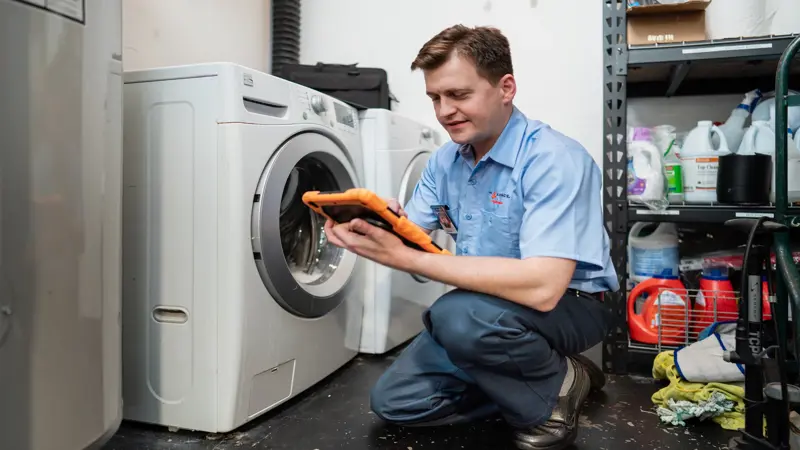
Clermont washing machine repair becomes urgent the moment you open your washer and find a pool of dirty water sitting at the bottom.
I remember the first time this happened to me.
It was a Sunday evening, laundry piled up, and my machine simply refused to drain.
No warning signs, no strange noises before that day, just standing water and frustration.
If you are dealing with the same issue, you are not alone.
A washer not draining is one of the most common appliance problems homeowners face.
The good news is that many of these issues are easier to understand than they seem.
Why does a washing machine stop draining
A washer depends on a simple but coordinated system of parts.
Water flows in, agitates with detergent, and then drains out through a pump and hose.
When one component fails, the entire process breaks down.
Most drainage problems come down to blockages, worn parts, or minor mechanical failures.
Understanding the root cause helps you avoid unnecessary repairs and wasted time by exploring solutions like Clermont washing machine repair.
A clogged drain hose is often the real culprit
One of the first things I checked during my own breakdown was the drain hose.
It turned out to be packed with lint and small debris from months of use.
Over time, fabric fibers, coins, and even small socks can get lodged inside.
This creates a blockage that prevents water from flowing out properly.
If your washer is full of water after a cycle, this is a strong possibility.
Disconnecting the hose and flushing it with water can often fix the issue quickly.
A blocked pump filter can stop everything
Modern washing machines include a pump filter that traps debris.
This part protects the pump from damage but can become clogged itself.
When that happens, water cannot pass through efficiently.
You may also notice a humming sound or slow drainage.
I once pulled out a handful of hair and lint from a filter that looked completely clean from the outside.
Cleaning this filter regularly can prevent bigger problems down the line.
The faulty drain pump may need attention
If cleaning does not solve the issue, the drain pump could be failing.
The pump is responsible for pushing water out of the machine.
When it wears out, it loses the ability to move water effectively.
Signs include unusual noises, incomplete draining, or repeated cycle interruptions.
In my case, the pump motor had worn down after years of use.
Replacing it restored the machine to full performance almost instantly.
Lid switch problems can interrupt draining
Top-loading machines rely on a lid switch to function properly.
If the switch is faulty, the washer may not enter the drain cycle at all.
This safety feature prevents operation when the lid is open.
However, a damaged switch can trick the machine into thinking it is always open.
Checking this small component can save hours of troubleshooting.
Overloading the washer creates hidden issues
It is easy to overload a washing machine, especially when trying to save time.
I used to cram in as many clothes as possible to reduce the number of cycles.
That habit eventually caused drainage issues.
Too many clothes can block water flow and strain internal components.
Reducing load size often improves performance immediately.
Detergent buildup can slow drainage
Using too much detergent might seem harmless, but it creates residue inside the machine.
This residue can clog hoses and filters over time.
It also leads to excess suds, which interfere with proper drainage.
Switching to the correct detergent amount can make a noticeable difference.
I noticed cleaner cycles and faster draining after making this small change.
When to call a professional technician
Some problems go beyond simple fixes.
If you have checked the hose, filter, and load size, the issue may be internal.
Electrical faults, worn belts, or damaged pumps require expert attention.
Trying to fix these without experience can cause further damage.
A trained technician can quickly diagnose and resolve the issue.
Preventing future drainage problems
Prevention is always easier than repair.
Simple habits can keep your washer running smoothly for years.
Clean the pump filter every few months.
Check pockets before washing clothes.
Avoid overloading the drum.
Use the right amount of detergent.
Inspect hoses regularly for buildup or kinks.
These small steps reduce wear and tear on your machine.
Real-life lessons from repeated washer issues
After dealing with multiple drainage problems, I started paying closer attention to how I used my washer.
I realized that most issues were caused by neglect rather than major failures.
Ignoring small signs like slow drainage or unusual sounds often leads to bigger problems.
Now, I treat my washing machine like any other important appliance in my home.
Regular maintenance has saved me both time and money.
Signs your washer needs immediate repair
Certain warning signs should never be ignored.
Water remaining after every cycle is the most obvious one.
Strange noises during draining can indicate pump issues.
A burning smell may point to electrical problems.
Repeated cycle interruptions often signal internal faults.
Addressing these early prevents costly repairs later.
Final thoughts on washer drainage issues
Clermont washing machine repair is not just about fixing a broken appliance.
It is about understanding how your machine works and recognizing problems early.
Most drainage issues have simple explanations and manageable solutions.
With the right approach, you can avoid unnecessary stress and downtime.
The next time your washer refuses to drain, you will know exactly where to start.


